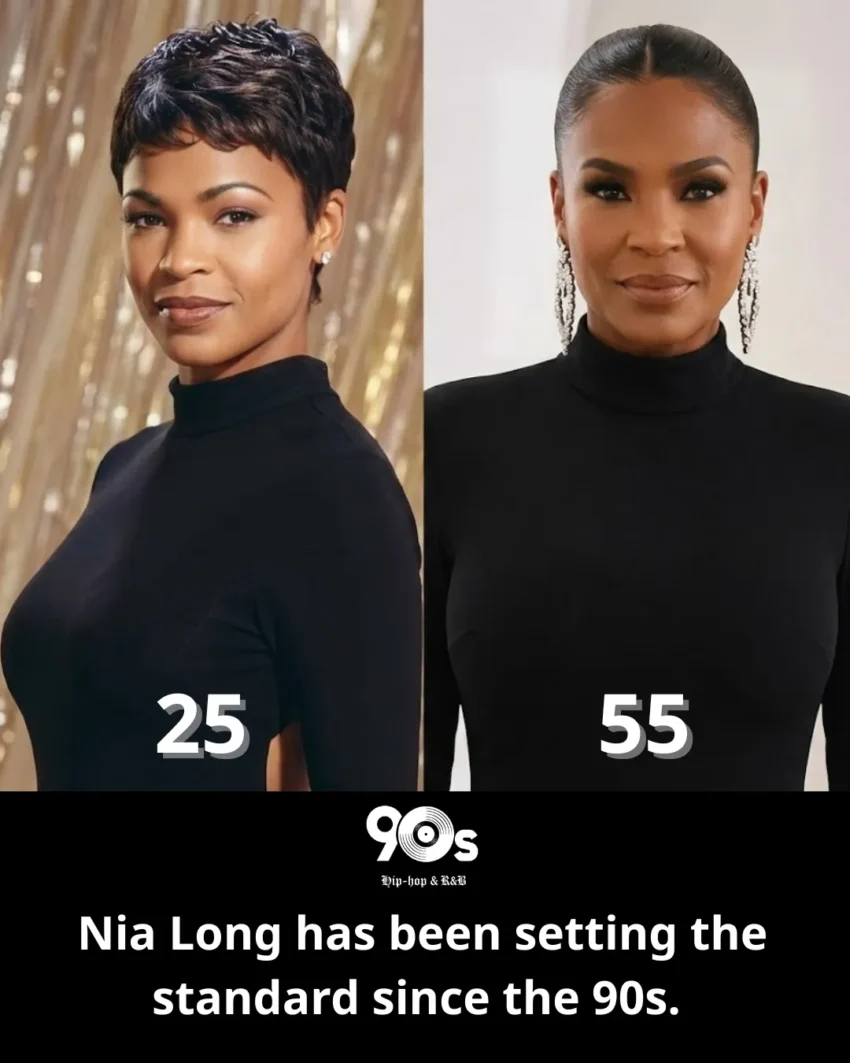
In the landscape of American cinema, few faces evoke as much collective nostalgia and respect as Nia Long. Since the early 1990s, she hasn’t just been an actress; she has been a cultural touchstone. Today, as fans look back at her storied career, the conversation has shifted toward her most prestigious role yet: portraying Katherine Jackson in the highly anticipated Michael Jackson biopic, Michael.
To understand the weight of Nia Long’s current trajectory, one must revisit the decade that defined her. The 90s were a transformative time for Black cinema, and Long was at the heart of its most pivotal moments.
Her breakout performance in John Singleton’s “Boyz n the Hood” (1991) established her as a talent to watch, but it was a string of subsequent hits that cemented her “It Girl” status. Whether she was playing the sharp-witted Lisa Wilkes on “The Fresh Prince of Bel-Air” or the relatable and radiant Debbie in the cult classic “Friday” (1995), Long possessed a natural beauty and effortless style that resonated across generations.
For the 40+ demographic, Nia Long represents more than just a face on a screen; she represents a specific kind of sophisticated, urban romance. Her roles in “Love Jones” (1997) and “The Best Man” (1999) offered a nuanced look at professional, ambitious, and deeply human characters.
“She had a way of making every role feel like someone you knew,” says film historian Marcus Thorne. “She wasn’t just playing a character; she was setting the standard for grace and strength on screen.”
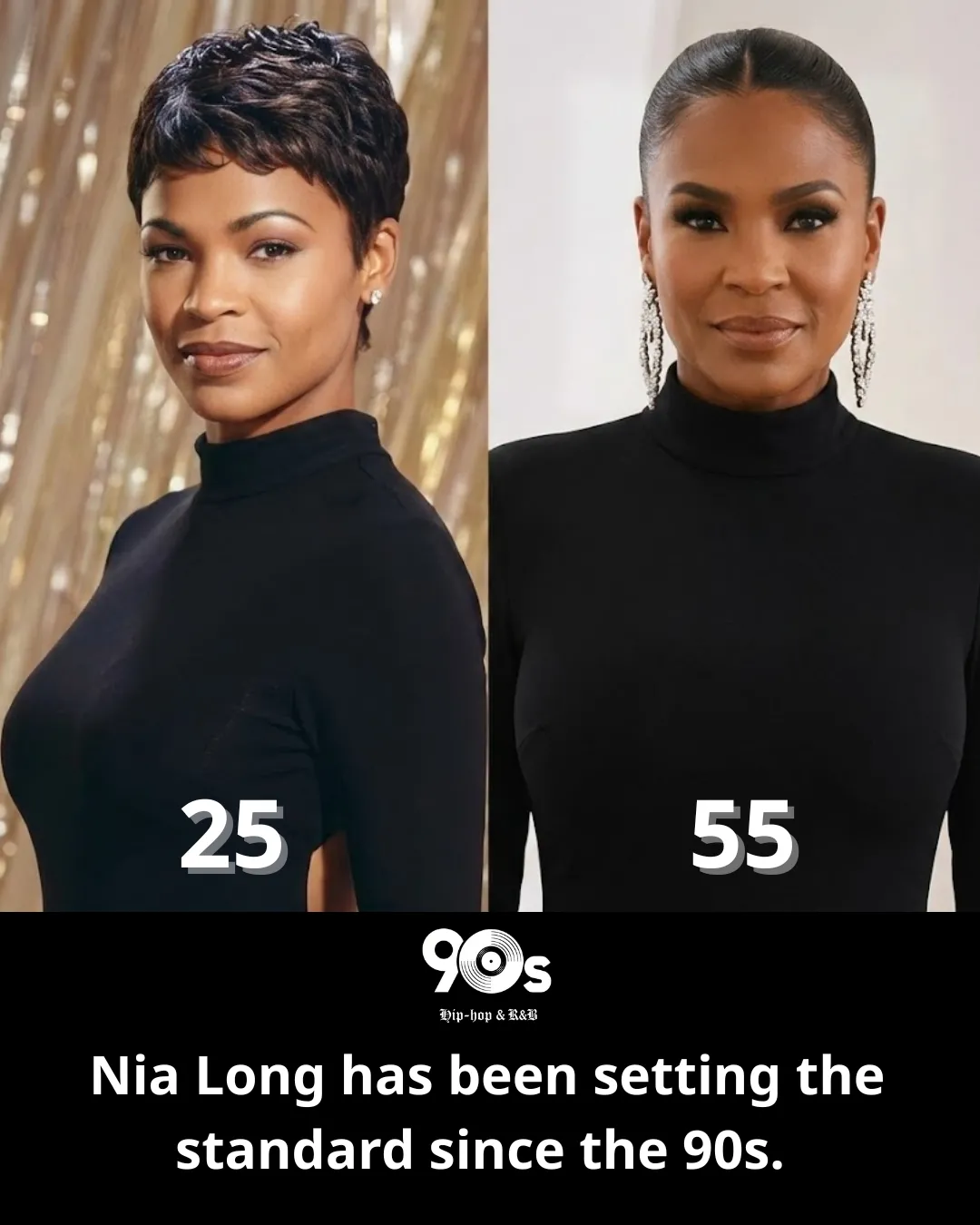
Perhaps the most frequent topic of discussion among fans on social media is Long’s seemingly “age-defying” appearance. In an industry often criticized for its narrow view of aging, Nia Long remains as stunning in 2026 as she was three decades ago.
Her secret? Long has often credited a balanced lifestyle, but her “strong on-screen presence” is what truly keeps her relevant. She has navigated the transition from “young ingénue” to “powerhouse veteran” with a level of dignity that is rare in Hollywood.
The buzz surrounding the upcoming Michael Jackson biopic, simply titled Michael, has reached a fever pitch. Casting the role of Katherine Jackson—the matriarch who held the world’s most famous musical family together—was no small feat.
When it was announced that Nia Long would portray Katherine, the response from the public was overwhelmingly positive. Portraying a living legend requires a delicate balance of vulnerability and iron-clad strength—traits that Long has demonstrated throughout her career.
Why this role matters:
Historical Accuracy: Long’s ability to capture the essence of different eras makes her perfect for a film spanning several decades.
Emotional Depth: Katherine Jackson’s story is one of immense sacrifice and resilience, demanding an actress of Long’s caliber.
Legacy: This role connects two pillars of Black culture: the iconic Nia Long and the legendary Jackson family.
As production details emerge, fans are eager to see how Long will depict the quiet strength of the Jackson matriarch. This isn’t just a biopic; it is a “chapter of music history” being brought to life. For the audience that grew up watching Nia in the 90s, seeing her take on such a monumental, mature role feels like a full-circle moment.
Nia Long has been “applying pressure” since she first stepped onto a film set. From the streets of Crenshaw in Boyz n the Hood to the hallowed halls of music history in Michael, she remains a defining face of American culture. As we look forward to her latest performance, one thing is certain: Nia Long is not just a relic of the 90s; she is a timeless icon whose best work may still be ahead of her.