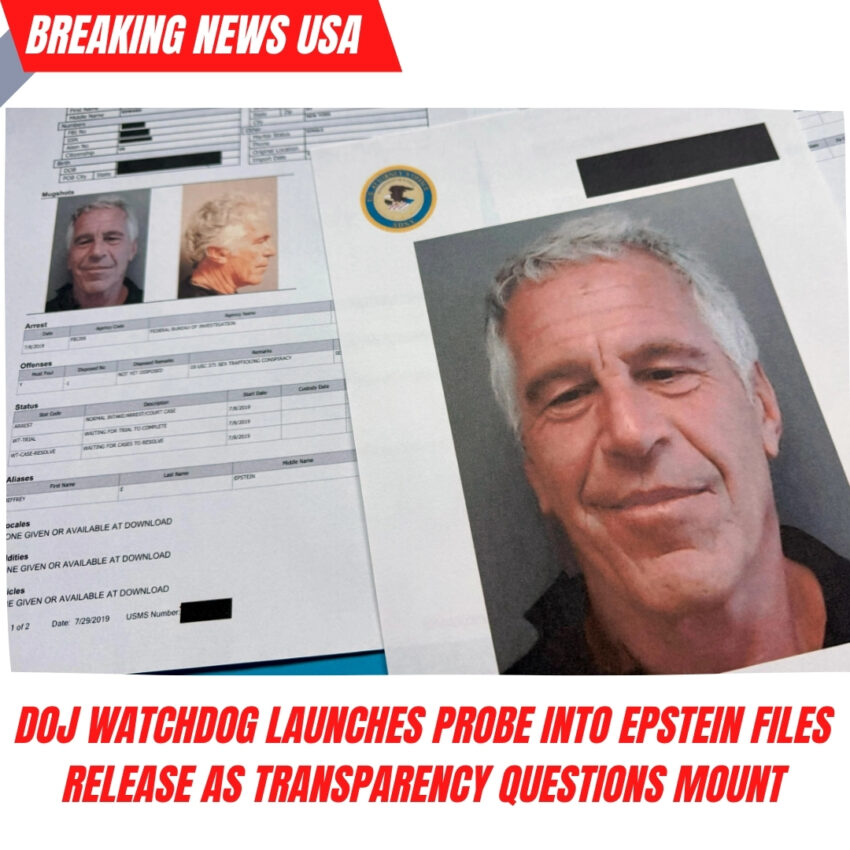
The U.S. Justice Department’s independent watchdog is stepping in to examine how the department handled the court-ordered release of thousands of investigative files on the late sex offender Jeffrey Epstein.
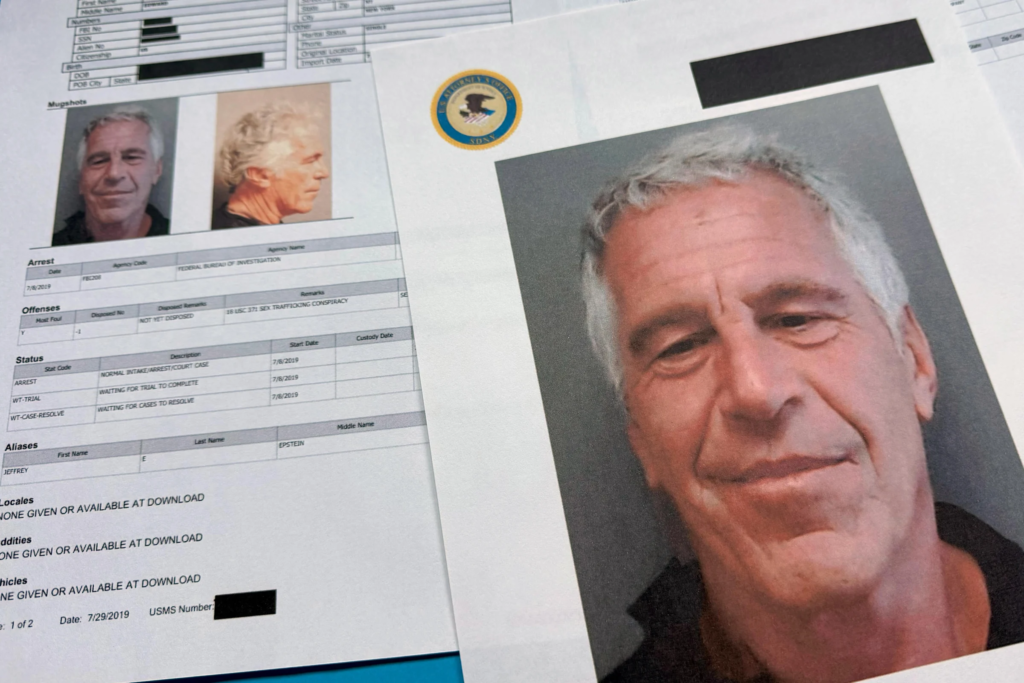
On Thursday, the DOJ’s Office of Inspector General announced it will review the department’s processes for identifying, redacting, and releasing records required under a bipartisan law passed last November. The legislation demanded nearly all Epstein-related files be made public, with only narrow exemptions to protect alleged victims and ongoing investigations.
The move comes amid growing bipartisan frustration over how the files were rolled out. Lawmakers from both parties have slammed the department for inadvertently exposing some victim identities and applying what many view as excessive redactions that went beyond the law’s limits. The controversy reportedly played a role in President Trump’s decision to fire former Attorney General Pam Bondi earlier this month.
DOJ officials say they have already released more than 3 million pages and insist the Trump administration has been more transparent than previous ones. However, critics argue the rollout was rushed, leading to mistakes under a tight deadline.
The inspector general’s review will scrutinize how records were collected, what was withheld or redacted, and how the department responded to public concerns. A final report is expected, though such investigations can take years to complete.
This latest development keeps the spotlight on one of the most high-profile and controversial document releases in recent memory. Epstein, a wealthy financier with connections to powerful figures across politics, business, and entertainment, died in jail in 2019 while awaiting trial on sex trafficking charges. The files have fueled ongoing public demands for full accountability and answers about who knew what about his criminal network.
Meanwhile, in a separate move underscoring the Trump administration’s hard line on foreign interference, Secretary of State Marco Rubio announced visa bans on five European officials and activists accused of pressuring American tech companies to censor U.S. citizens’ speech.
The banned individuals include executives from groups like the Centre for Countering Digital Hate and HateAid, as well as former EU commissioner Thierry Breton, whom officials described as a “mastermind” behind efforts to weaponize European regulations against American platforms.
Rubio made clear the U.S. will no longer tolerate foreign actors trying to silence American voices. The action marks the first enforcement of a new visa policy aimed at protecting free speech from overseas censorship campaigns.

The Epstein files review ensures continued pressure for maximum transparency, while the visa bans send a strong signal that the Trump administration is actively pushing back against globalist efforts to control what Americans can say online.